
NEWS CENTER
Get the latest information on shield machine tools

09
2025
-
01
From Concept to Completion: The Extraordinary Journey of Tunneling Boring Machines
Author:
From Concept to Completion: The Extraordinary Journey of Tunneling Boring Machines
Table of Contents
1. Introduction to Tunneling Boring Machines
2. The History and Evolution of TBMs
3. Design Principles of Tunneling Boring Machines
4. Types of Tunneling Boring Machines
5. Operation of Tunneling Boring Machines
6. Challenges in Tunneling Operations
7. The Future of Tunneling Boring Machines
8. Conclusion
9. Frequently Asked Questions
Introduction to Tunneling Boring Machines
Tunneling boring machines (TBMs) are one of the most sophisticated pieces of equipment in the construction industry, specifically designed for excavating tunnels. These machines have revolutionized how we approach underground construction, significantly improving efficiency and safety. TBMs are capable of boring through a variety of geological conditions, making them invaluable for projects such as subways, road tunnels, and utility corridors.
In this article, we will explore the entire journey of tunneling boring machines, from their initial design phases to the completion of major tunneling projects. We will dive into their history, design principles, types, operational processes, challenges faced during tunneling, and their future in the construction industry.
The History and Evolution of TBMs
The journey of tunneling boring machines began in the 19th century, coinciding with the Industrial Revolution. The first TBM was conceived in 1825 by the engineer Marc Isambard Brunel to construct the Thames Tunnel in London. This early model was a simple hand-powered device that laid the groundwork for modern TBMs.
As technology advanced, so did the design and functionality of TBMs. The introduction of steam power in the 19th century led to the creation of more powerful machines capable of tackling tougher geological conditions. The 20th century saw further innovations, such as the use of electric and hydraulic systems, allowing for greater efficiency and precision.
Today, TBMs are equipped with advanced technologies such as computer-aided design (CAD) systems, GPS tracking, and real-time monitoring, enabling the construction of complex tunnels with unprecedented accuracy.
Design Principles of Tunneling Boring Machines
The design of tunneling boring machines is a complex process that combines engineering principles, advanced materials, and technology. Key aspects of TBM design include the following:
1. Cutter Head Design
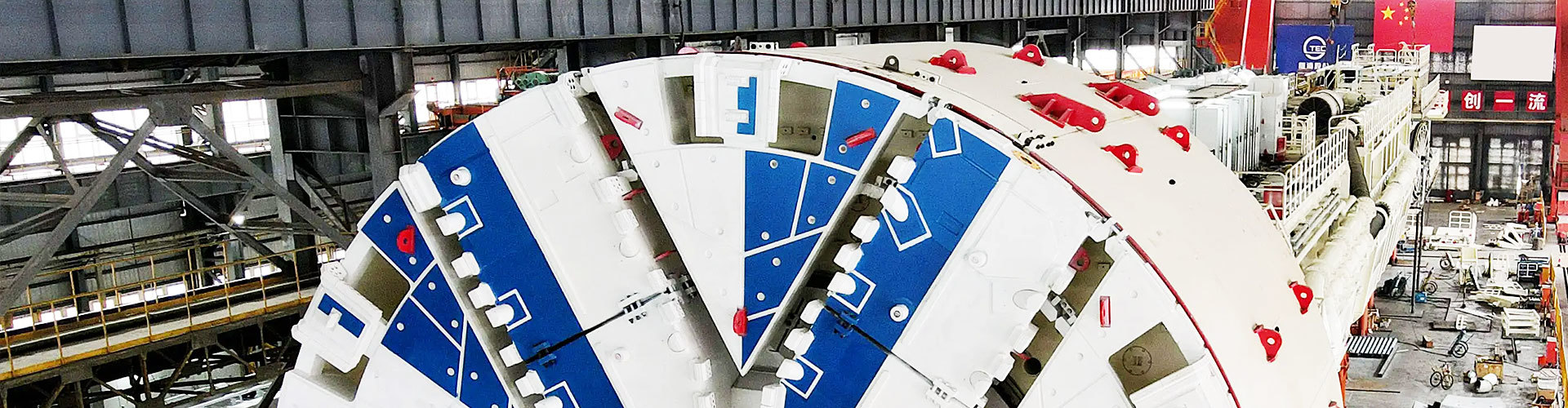
The cutter head is the most critical component of a TBM. It is responsible for breaking through the ground and consists of various tools, including disc cutters, scrapers, and hydraulic jacks. The design of the cutter head must consider the geological conditions, such as rock hardness and soil type, to ensure efficient excavation.
2. Shield Structure
The shield is the protective casing that surrounds the cutter head. It provides stability and support to the tunnel walls during excavation. The design of the shield varies depending on the tunneling method used (e.g., earth pressure balance, slurry shield).
3. Transportation System
TBMs must transport excavated material efficiently. A conveyor belt system is typically integrated into the machine to remove spoil from the tunnel. The design of this system is crucial for maintaining continuous operation and minimizing downtime.
4. Propulsion System
The propulsion system enables the TBM to advance through the ground. This can be achieved through hydraulic jacks that push the machine forward as the cutter head excavates material. Proper design of the propulsion system ensures smooth and consistent movement.
Types of Tunneling Boring Machines
Different types of tunneling boring machines are designed to handle specific tunneling requirements. The most common types include:
1. Earth Pressure Balance (EPB) TBM
EPB TBMs are designed for soft ground conditions. They maintain earth pressure in front of the cutter head, preventing ground collapse and allowing for safe excavation. These machines utilize a mixture of soil and water to create a slurry, which is then removed through a conveyor system.
2. Slurry Shield TBM
Slurry shield TBMs are similar to EPB machines but are specifically engineered for mixed ground conditions and high groundwater levels. They use a slurry fluid to balance the pressure, which helps stabilize the tunnel face during excavation.
3. Hard Rock TBM
Hard rock TBMs are designed for drilling through tough geological formations. They utilize heavy-duty disc cutters to break through solid rock, and their design often includes robust support systems to handle the massive forces involved in hard rock excavation.
4. Dual Mode TBM
As the name suggests, dual mode TBMs can operate as both an EPB and a hard rock TBM, making them versatile for a range of geological conditions. This flexibility allows project managers to adapt to varying ground conditions without switching machines.
Operation of Tunneling Boring Machines
The operation of TBMs involves several critical stages, each requiring meticulous planning and execution:
1. Site Preparation
Before a TBM can begin its work, extensive site preparation is necessary. This includes geological surveys, environmental assessments, and the construction of access shafts. Proper site preparation ensures that the TBM can operate safely and efficiently.
2. Launching the TBM
Once the site is prepared, the TBM is launched into the tunnel. This is typically accomplished through a launching shaft, which provides the necessary space for the machine to begin its journey underground.
3. Continuous Monitoring
During operation, continuous monitoring is essential. Engineers use advanced technology to track the TBM's position, pressure levels, and geological conditions in real-time. This information allows for quick adjustments to be made if unexpected challenges arise.
4. Spoil Removal
As the TBM excavates, it generates spoil that must be efficiently removed. The conveyor system plays a crucial role in this process, transporting material out of the tunnel to keep the operation running smoothly.
5. Finalizing the Tunnel
Upon completion of the tunneling process, the tunnel must be reinforced. This can involve various methods, such as lining the tunnel with concrete or installing support structures. The final steps ensure the tunnel is safe and ready for use.
Challenges in Tunneling Operations
Tunneling projects are not without their challenges. Some of the most significant issues that can arise during the operation of TBMs include:
1. Geological Uncertainty
Unexpected geological conditions can pose significant risks during tunneling. Variations in soil type, rock hardness, and groundwater levels can affect the performance of the TBM and lead to delays or increased costs.
2. Equipment Failures
TBMs are complex machines with numerous moving parts. Mechanical failures can occur, leading to downtime and costly repairs. Regular maintenance and monitoring are essential to mitigate these risks.
3. Environmental Impact
Tunneling projects can have significant environmental implications. Managing groundwater, noise pollution, and surface subsidence requires careful planning and execution to minimize the impact on surrounding communities and ecosystems.
4. Safety Concerns
Safety is paramount in tunneling operations. Workers face various hazards, including falls, equipment malfunctions, and exposure to hazardous materials. Comprehensive safety protocols and training are crucial to protect workers on the job site.
The Future of Tunneling Boring Machines
As technology continues to evolve, so will tunneling boring machines. The future holds exciting possibilities, including:
1. Automation and Robotics
The integration of automation and robotics into TBM operations will enhance efficiency and safety. Remote-controlled machines may soon be able to operate in hazardous conditions, reducing risks to human workers.
2. Sustainable Practices
With an increasing focus on sustainability, future TBMs may incorporate eco-friendly technologies. This could include using renewable energy sources, reducing emissions, and minimizing waste during excavation.
3. Advanced Materials
The development of new materials for TBMs will improve their durability and performance. Lighter, stronger materials can enhance the design and functionality of these machines, allowing them to operate in more challenging conditions.
4. Smart Monitoring Systems
The application of artificial intelligence and smart monitoring systems will revolutionize how TBMs are operated. Real-time data analysis can lead to proactive decision-making and increased efficiency throughout the tunneling process.
Conclusion
The journey of tunneling boring machines from concept to completion is a remarkable testament to engineering ingenuity and technological advancement. As TBMs continue to evolve, they will play a pivotal role in shaping the future of underground construction and infrastructure development. Understanding their history, design principles, operational processes, and the challenges they face provides valuable insights for engineers, project managers, and stakeholders involved in tunneling projects.
By embracing innovation and sustainable practices, we can ensure that tunneling boring machines will remain at the forefront of construction technology for years to come.
Frequently Asked Questions
1. What is the primary function of a tunneling boring machine?
The primary function of a tunneling boring machine (TBM) is to excavate tunnels through various geological formations with precision and efficiency.
2. How do tunneling boring machines handle different soil conditions?
TBMs are designed to operate in various soil conditions by utilizing different methods, such as earth pressure balance and slurry shield techniques, to maintain stability and efficiency.
3. What are the most common types of tunneling boring machines?
The most common types include Earth Pressure Balance (EPB) TBM, Slurry Shield TBM, Hard Rock TBM, and Dual Mode TBM.
4. What challenges do tunneling projects typically face?
Challenges include geological uncertainty, equipment failures, environmental impact, and safety concerns for workers.
5. How is the future of tunneling boring machines shaping up?
The future of TBMs is likely to involve automation, sustainable practices, advanced materials, and smart monitoring systems to improve performance and safety.
By providing this comprehensive overview, we demonstrate the significance of tunneling boring machines in modern infrastructure and the continuous innovation that drives this critical industry forward.
RELATED NEWS
Add :No.15 Jialong Road, Jia Ming Economic Development Zone , Dongchang District ,Liaocheng City ,Shandong Province.
Mobile : 0086-13465758172
Tel:0086-635-2187688
Have any questions?
Please, leave your contact information, and our specialist will contact you within 30 minutes during business hours.
Copyright © 2022 TCEN Engineering Equipment Co.,Ltd SEO Tag