
NEWS CENTER
Get the latest information on shield machine tools

04
2025
-
01
Understanding Tunneling Boring Machines: A Comprehensive Overview
Author:
Tunneling Boring Machines (TBMs) are advanced engineering marvels that have revolutionized the way underground construction is conducted. Designed to excavate tunnels through various geological conditions, TBMs play a crucial role in infrastructure projects such as subways, highways, and water supply systems. Their ability to efficiently create circular tunnels has made them indispensable in the construction industry.
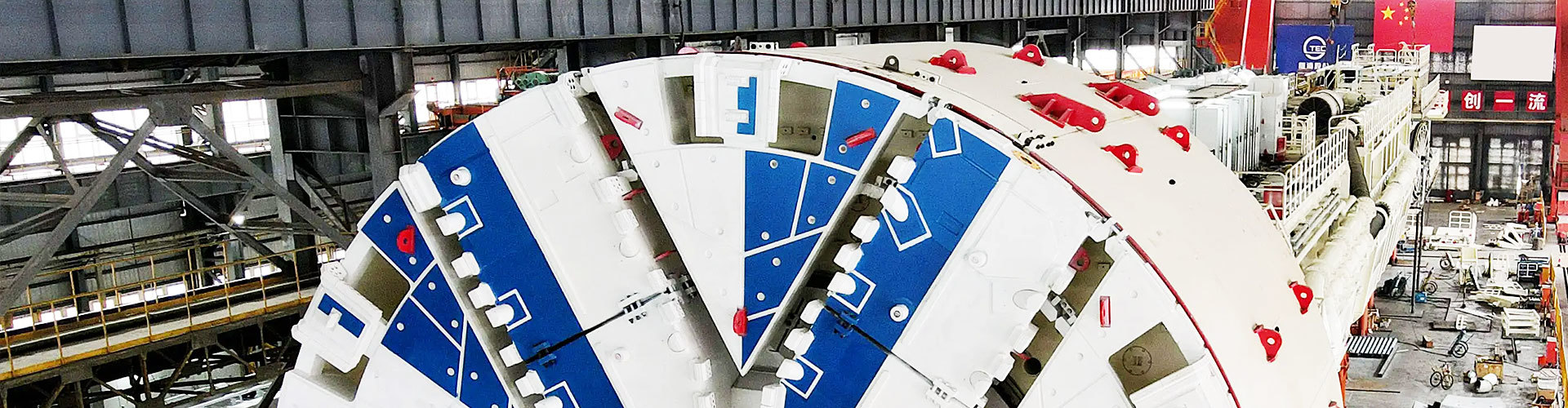
The design of a TBM typically consists of a rotating cutting head, a main body that houses various mechanical systems, and a trailing gear for muck removal. The cutting head is equipped with robust steel blades or disc cutters that can tackle hard rock, soft soil, or a combination of both, depending on the specific project requirements. As the TBM advances, it simultaneously installs precast concrete segments to create a sturdy tunnel lining, ensuring a safe and stable environment for further construction activities.
One of the primary benefits of using TBMs is their efficiency in minimizing surface disruption. Traditional tunneling methods often involve significant excavation at the surface, which can lead to traffic disruptions and environmental concerns. In contrast, TBMs operate underground, significantly reducing the impact on the surrounding area. This is particularly advantageous in urban environments where space is limited and nearby structures must be preserved.
Moreover, TBMs are equipped with advanced technology that enhances their operational capabilities. Key features include real-time monitoring systems that provide data on ground conditions, machine performance, and potential hazards. This information allows engineers to make informed decisions, optimizing the tunneling process and enhancing safety measures.
Another notable aspect of TBMs is their adaptability to different soil conditions. Some machines are specifically designed for soft ground, employing techniques such as slurry balance or earth pressure balance to maintain stability. Others are constructed to handle hard rock, utilizing powerful hydraulic systems to break through dense materials. This versatility makes TBMs suitable for a wide range of tunneling applications.
The use of Tunneling Boring Machines has also led to significant advancements in project timelines and cost management. By streamlining the excavation process and reducing labor requirements, TBMs can accelerate the completion of tunneling projects, ultimately saving time and resources.
In conclusion, Tunneling Boring Machines represent a pivotal innovation in the field of engineering and construction. Their ability to efficiently and safely excavate tunnels in various geological conditions makes them an essential tool for modern infrastructure development. As the demand for underground construction continues to grow, the role of TBMs will only become more prominent, paving the way for future advancements in the industry.
The design of a TBM typically consists of a rotating cutting head, a main body that houses various mechanical systems, and a trailing gear for muck removal. The cutting head is equipped with robust steel blades or disc cutters that can tackle hard rock, soft soil, or a combination of both, depending on the specific project requirements. As the TBM advances, it simultaneously installs precast concrete segments to create a sturdy tunnel lining, ensuring a safe and stable environment for further construction activities.
One of the primary benefits of using TBMs is their efficiency in minimizing surface disruption. Traditional tunneling methods often involve significant excavation at the surface, which can lead to traffic disruptions and environmental concerns. In contrast, TBMs operate underground, significantly reducing the impact on the surrounding area. This is particularly advantageous in urban environments where space is limited and nearby structures must be preserved.
Moreover, TBMs are equipped with advanced technology that enhances their operational capabilities. Key features include real-time monitoring systems that provide data on ground conditions, machine performance, and potential hazards. This information allows engineers to make informed decisions, optimizing the tunneling process and enhancing safety measures.
Another notable aspect of TBMs is their adaptability to different soil conditions. Some machines are specifically designed for soft ground, employing techniques such as slurry balance or earth pressure balance to maintain stability. Others are constructed to handle hard rock, utilizing powerful hydraulic systems to break through dense materials. This versatility makes TBMs suitable for a wide range of tunneling applications.
The use of Tunneling Boring Machines has also led to significant advancements in project timelines and cost management. By streamlining the excavation process and reducing labor requirements, TBMs can accelerate the completion of tunneling projects, ultimately saving time and resources.
In conclusion, Tunneling Boring Machines represent a pivotal innovation in the field of engineering and construction. Their ability to efficiently and safely excavate tunnels in various geological conditions makes them an essential tool for modern infrastructure development. As the demand for underground construction continues to grow, the role of TBMs will only become more prominent, paving the way for future advancements in the industry.
RELATED NEWS
Add :No.15 Jialong Road, Jia Ming Economic Development Zone , Dongchang District ,Liaocheng City ,Shandong Province.
Mobile : 0086-13465758172
Tel:0086-635-2187688
Have any questions?
Please, leave your contact information, and our specialist will contact you within 30 minutes during business hours.
Copyright © 2022 TCEN Engineering Equipment Co.,Ltd SEO Tag