
NEWS CENTER
Get the latest information on shield machine tools

30
2024
-
12
Understanding the Role of Tunneling Boring Machines in Large Projects
Author:
Understanding the Role of Tunneling Boring Machines in Large Projects
Table of Contents
1. Introduction to Tunneling Boring Machines
2. The Evolution of TBM Technology
3. Key Components of Tunneling Boring Machines
3.1. Cutter Head
3.2. Shield
3.3. Gripper System
3.4. Conveyor System
4. Types of Tunneling Boring Machines and Their Applications
4.1. Earth Pressure Balance (EPB) TBMs
4.2. Slurry Shield TBMs
4.3. Hard Rock TBMs
5. Advantages of Using Tunneling Boring Machines
6. Challenges and Limitations of TBM Operations
7. Case Studies: Successful TBM Projects Around the World
8. The Future of Tunneling Boring Machines in Infrastructure Development
9. Frequently Asked Questions
10. Conclusion
1. Introduction to Tunneling Boring Machines
Tunneling Boring Machines (TBMs) are sophisticated engineering marvels that revolutionize how tunnels and underground passages are constructed. These machines play a crucial role in various large-scale projects, including railways, urban transit systems, and utility tunnels. By allowing for efficient, precise, and less disruptive construction, TBMs have become indispensable in modern engineering.
2. The Evolution of TBM Technology
The history of TBMs dates back to the 19th century when simple machines were designed for shallow tunnels. Over the years, technological advancements have led to the development of more sophisticated TBMs capable of handling complex geological conditions and larger tunnel diameters. Today’s TBMs are equipped with advanced navigation systems, real-time monitoring tools, and automated functions, making tunnel construction faster and safer.
3. Key Components of Tunneling Boring Machines
Understanding the components of TBMs is essential for grasping their operation and efficiency. Below are the crucial parts that make up these machines:
3.1. Cutter Head
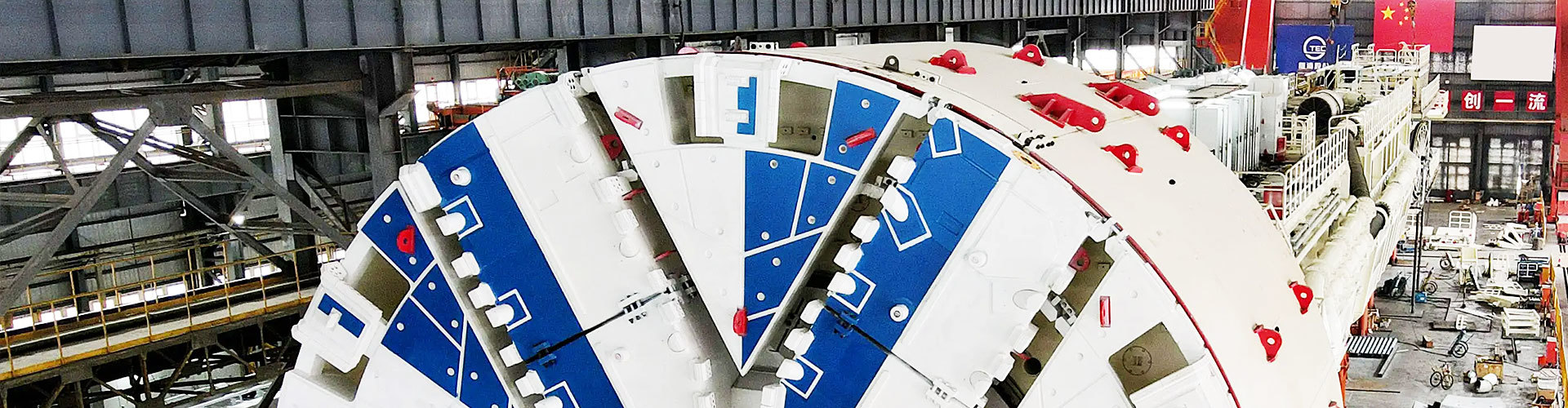
The cutter head is the front part of the TBM that breaks the ground. Equipped with sharp, durable cutting tools, it is designed to tackle different rock types and soil conditions. The cutter head’s design varies according to the specific geological conditions of the project site.
3.2. Shield
The shield is a protective structure that supports the tunnel walls during excavation. It prevents the collapse of the surrounding soil and minimizes ground settlement. The design of the shield can vary significantly depending on the ground conditions.
3.3. Gripper System
This system anchors the TBM to the ground, allowing it to maintain stability during excavation. Grippers extend to the tunnel walls and press against them, providing resistance as the cutter head moves forward.
3.4. Conveyor System
The conveyor system transports excavated material from the cutter head to the rear of the TBM. Efficient material removal is crucial for maintaining progress and minimizing downtime.
4. Types of Tunneling Boring Machines and Their Applications
Different types of TBMs are designed for specific tunneling conditions and requirements. Here are the primary types:
4.1. Earth Pressure Balance (EPB) TBMs
Used in soft soil conditions, EPB TBMs maintain balance by using the excavated material to support the tunnel face. This method reduces the risk of ground settlement and allows for the construction of tunnels in urban areas with existing structures.
4.2. Slurry Shield TBMs
These TBMs utilize a slurry mixture to stabilize the tunnel face in wet or unstable ground. The slurry creates hydrostatic pressure, allowing for excavation without ground collapse.
4.3. Hard Rock TBMs
Designed for challenging geological conditions, hard rock TBMs feature robust cutter heads that can break through hard formations. They are typically used in mountainous regions and for deep tunnels.
5. Advantages of Using Tunneling Boring Machines
The use of TBMs offers numerous advantages that enhance the efficiency and safety of tunneling projects:
1. **Reduced Surface Disruption**: TBMs minimize the impact on the surface environment, making them ideal for urban areas.
2. **Speed and Efficiency**: With advanced automation, TBMs can significantly reduce construction time.
3. **Improved Safety**: TBMs create a controlled environment for workers, reducing the risk of accidents.
4. **Precise Tunnel Alignment**: Advanced navigation systems enable the accurate positioning of tunnels.
5. **Less Waste**: Efficient excavation techniques lead to lower material waste.
6. Challenges and Limitations of TBM Operations
Despite their many advantages, TBMs also face challenges:
1. **High Initial Costs**: The investment in TBM technology can be substantial, making it a consideration for project budgets.
2. **Maintenance Needs**: Regular maintenance is required to ensure optimal performance.
3. **Geological Limitations**: Certain geological conditions may be unsuitable for TBM operation.
4. **Logistical Issues**: Transporting and assembling TBMs can be complex in urban environments.
7. Case Studies: Successful TBM Projects Around the World
Examining successful TBM projects offers insights into their capabilities:
1. **Crossrail Project, London**: TBMs were instrumental in the construction of a new railway line under London, showcasing their ability to navigate complex urban landscapes.
2. **Gotthard Base Tunnel, Switzerland**: As the longest railway tunnel in the world, this project utilized several TBMs to traverse challenging geological formations.
3. **Seikan Tunnel, Japan**: Another remarkable achievement, this underwater tunnel was constructed using specialized TBMs designed for high water pressure conditions.
8. The Future of Tunneling Boring Machines in Infrastructure Development
As urbanization continues to increase, the demand for efficient underground construction will rise. Future TBMs are expected to incorporate cutting-edge technologies, such as artificial intelligence and machine learning, to enhance their performance and safety. Innovations like real-time data analytics will allow for better decision-making during operations.
9. Frequently Asked Questions
1. **What are tunneling boring machines (TBMs)?**
TBMs are specialized equipment used for excavating tunnels through various geological conditions.
2. **How do TBMs work?**
TBMs use a rotating cutter head to break ground while simultaneously installing tunnel linings for stability.
3. **What types of tunneling boring machines are there?**
The main types include Earth Pressure Balance (EPB) TBMs, Slurry Shield TBMs, and Hard Rock TBMs.
4. **What are the benefits of using TBMs in construction?**
Benefits include reduced surface disruption, improved safety, precise alignment, and efficient tunneling.
5. **What challenges do TBMs face?**
Challenges include high initial costs, maintenance needs, and geological limitations.
10. Conclusion
Tunneling Boring Machines play an integral role in the modern construction landscape. Their ability to efficiently excavate tunnels while minimizing surface disruption makes them invaluable in large engineering projects. As we move towards an increasingly urbanized future, the advancements in TBM technology will continue to shape the infrastructure that connects our cities and communities. Understanding their operation, benefits, and challenges can help stakeholders make informed decisions in the planning and execution of underground construction projects.
RELATED NEWS
Add :No.15 Jialong Road, Jia Ming Economic Development Zone , Dongchang District ,Liaocheng City ,Shandong Province.
Mobile : 0086-13465758172
Tel:0086-635-2187688
Have any questions?
Please, leave your contact information, and our specialist will contact you within 30 minutes during business hours.
Copyright © 2022 TCEN Engineering Equipment Co.,Ltd SEO Tag