
NEWS CENTER
Get the latest information on shield machine tools

11
2024
-
09
Understanding Tunneling Boring Machines: The Backbone of Modern Excavation
Author:
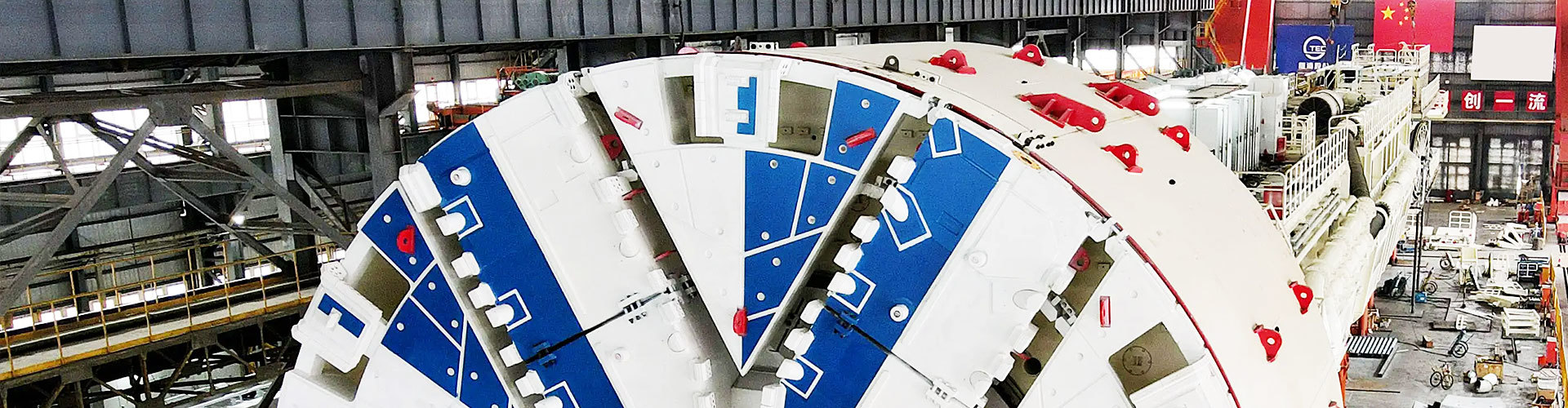
Tunneling Boring Machines (TBMs) are sophisticated pieces of equipment designed to excavate tunnels through various types of soil and rock. These machines are equipped with a rotating cutter head at the front, which is responsible for breaking up the ground as it advances. The material excavated is then transported back through the machine to be removed, allowing for continuous tunneling operations without significant interruptions.
One of the primary advantages of using TBMs is their efficiency and precision. Unlike traditional excavation methods, which may involve blasting or other disruptive techniques, TBMs can create tunnels with precise diameter and smooth walls. This precision is particularly beneficial in urban environments where minimizing surface disruption is crucial. Additionally, TBMs can operate in various geological conditions, making them suitable for projects ranging from subway systems to water supply tunnels.
Another significant benefit of TBMs is their safety features. The enclosed design of the machine protects operators from hazardous conditions that can be present in underground excavation, such as gas leaks or collapsing ground. Furthermore, TBMs can be equipped with advanced monitoring systems to assess ground conditions in real-time, allowing for proactive management of potential issues.
The applications of TBMs are vast and diverse. In urban settings, they are often employed for the construction of metro lines, sewer systems, and underground utilities. In more remote areas, TBMs can be used to create tunnels for hydroelectric projects or oil and gas pipelines. The versatility of TBMs allows them to adapt to a wide range of projects, thereby enhancing their value in the engineering and construction sectors.
In terms of design and engineering, TBMs are continuously evolving. Advances in technology have led to the development of different types of TBMs tailored to specific geological conditions and project requirements. For instance, Earth Pressure Balance (EPB) machines are particularly effective in soft ground, while hard rock TBMs are designed for challenging geological formations.
In conclusion, Tunneling Boring Machines represent a significant advancement in excavation technology. They provide an efficient, safe, and precise method for creating tunnels, making them an indispensable tool in modern engineering and construction. As the demand for underground infrastructure continues to grow, the importance of TBMs in facilitating this development cannot be overstated. Understanding their functionality and benefits is essential for anyone involved in the construction and engineering industries.
One of the primary advantages of using TBMs is their efficiency and precision. Unlike traditional excavation methods, which may involve blasting or other disruptive techniques, TBMs can create tunnels with precise diameter and smooth walls. This precision is particularly beneficial in urban environments where minimizing surface disruption is crucial. Additionally, TBMs can operate in various geological conditions, making them suitable for projects ranging from subway systems to water supply tunnels.
Another significant benefit of TBMs is their safety features. The enclosed design of the machine protects operators from hazardous conditions that can be present in underground excavation, such as gas leaks or collapsing ground. Furthermore, TBMs can be equipped with advanced monitoring systems to assess ground conditions in real-time, allowing for proactive management of potential issues.
The applications of TBMs are vast and diverse. In urban settings, they are often employed for the construction of metro lines, sewer systems, and underground utilities. In more remote areas, TBMs can be used to create tunnels for hydroelectric projects or oil and gas pipelines. The versatility of TBMs allows them to adapt to a wide range of projects, thereby enhancing their value in the engineering and construction sectors.
In terms of design and engineering, TBMs are continuously evolving. Advances in technology have led to the development of different types of TBMs tailored to specific geological conditions and project requirements. For instance, Earth Pressure Balance (EPB) machines are particularly effective in soft ground, while hard rock TBMs are designed for challenging geological formations.
In conclusion, Tunneling Boring Machines represent a significant advancement in excavation technology. They provide an efficient, safe, and precise method for creating tunnels, making them an indispensable tool in modern engineering and construction. As the demand for underground infrastructure continues to grow, the importance of TBMs in facilitating this development cannot be overstated. Understanding their functionality and benefits is essential for anyone involved in the construction and engineering industries.
RELATED NEWS
Add :No.15 Jialong Road, Jia Ming Economic Development Zone , Dongchang District ,Liaocheng City ,Shandong Province.
Mobile : 0086-13465758172
Tel:0086-635-2187688
Have any questions?
Please, leave your contact information, and our specialist will contact you within 30 minutes during business hours.
Copyright © 2022 TCEN Engineering Equipment Co.,Ltd SEO Tag